The Rise of the Micro-Donation: How Small Gifts Are Reshaping UK Charity Fundraising
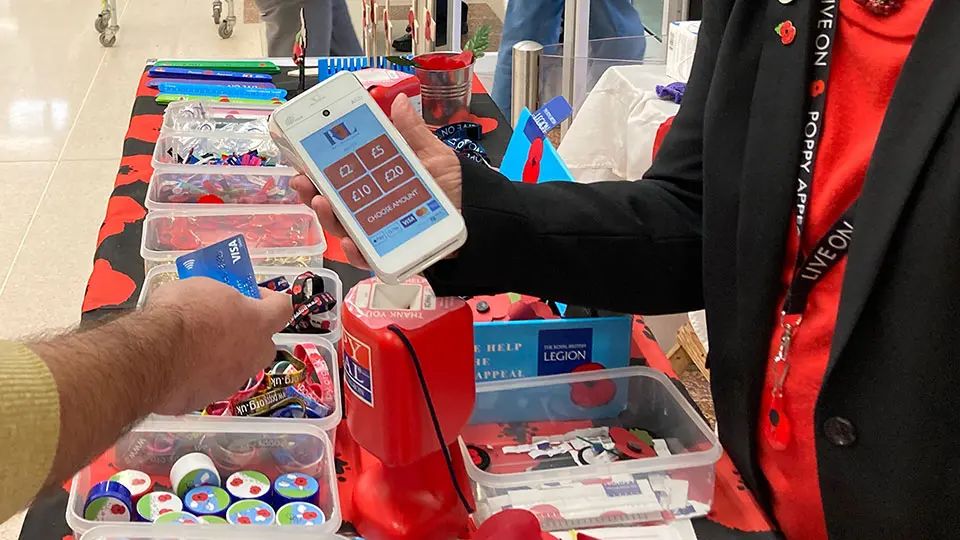
For decades, the dominant logic of charity fundraising has been go big or go home. Legacy campaigns, major donor strategies, six-figure corporate partnerships — the lion's share of sector attention has followed the lion's share of the money. But the data increasingly tells a different story.
The micro-donation is having its moment.
A Nation of Small Givers
Research from micro-donation charity Pennies, conducted among 2,000 UK adults ahead of Giving Tuesday in December 2025, found that 51% of UK consumers are now familiar with micro-donations, up from 42% just a year earlier. More strikingly, 67% of respondents said they would rather give a small amount regularly than a large amount occasionally.
That preference is not just a passing trend. It reflects a fundamental change in how people relate to money, trust, and generosity in an era of economic pressure and digital payments.
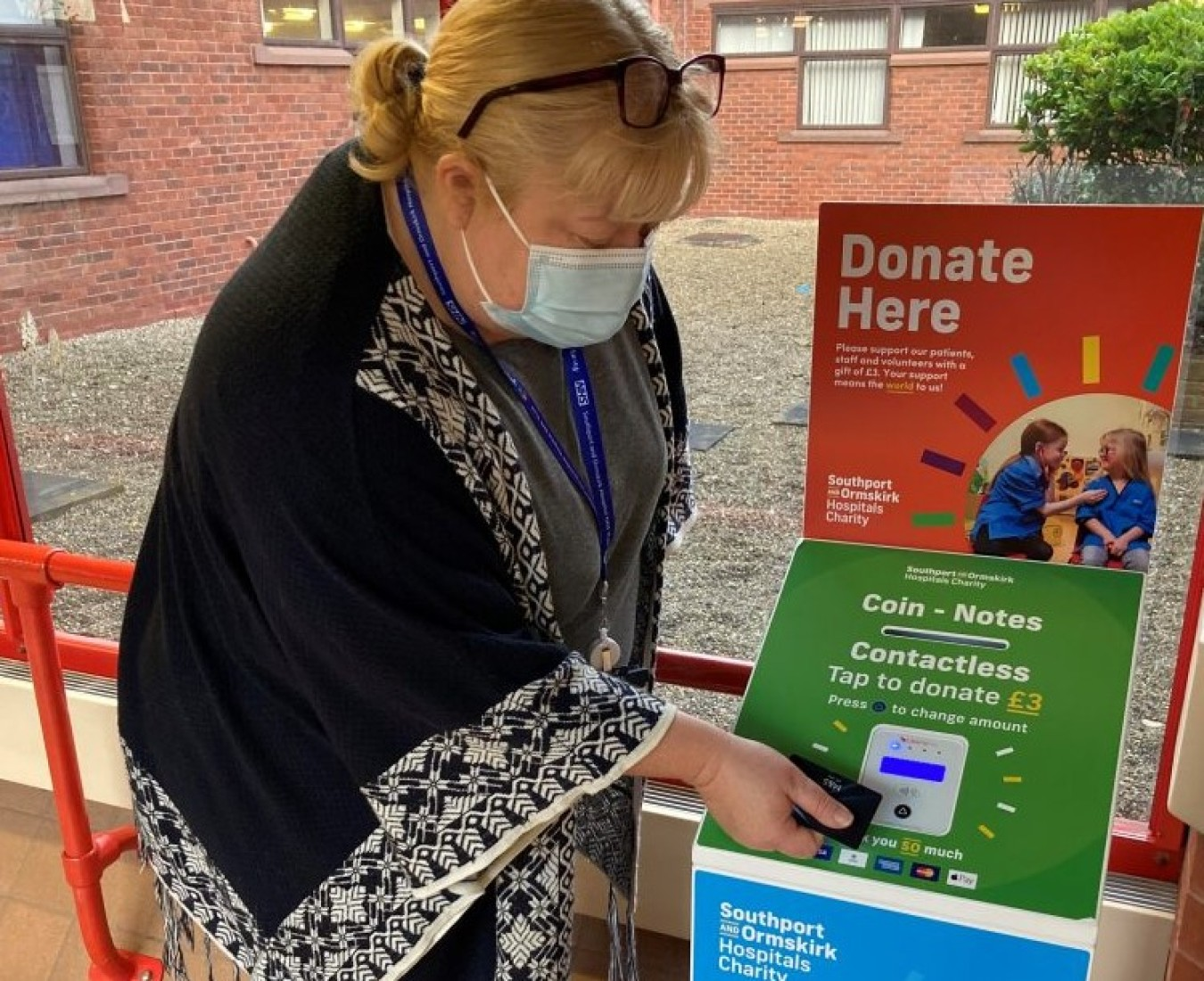
Frictionless Giving at the Checkout
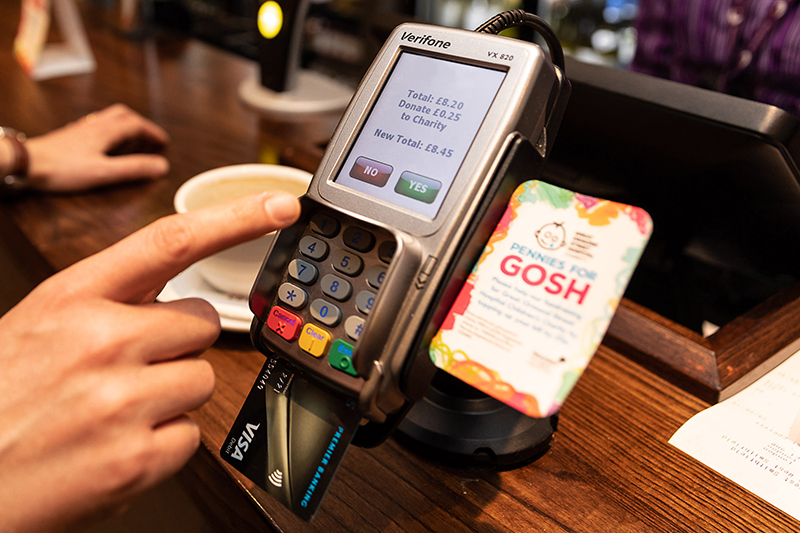
Perhaps nowhere is the micro-donation model more visible than at the point of sale. Retail and hospitality giants including Domino's, Travelodge, Greene King, and JD Group have already embedded micro-donation options into their checkout experiences, with newer additions in 2025 including B&Q, Iceland Foods, Lidl, Debenhams Group and Dobbies.
The appeal for consumers is straightforward. With no forms, data sharing, or subscriptions required, micro-donations offer a frictionless way to give - particularly valued in a cost-sensitive climate. Accessibility, trust, and emotional connection are consistently cited as the top drivers.
For businesses, there's an added incentive. Almost half of UK consumers - 47% - say their perception of a business improves when it offers micro-donation options, and 26% say they are more likely to shop with businesses that provide them.
Why the Traditional Model Is Under Pressure
The growth of micro-giving comes at a time when established fundraising approaches face serious headwinds. The number of people donating to charity in the UK has fallen to the lowest levels recorded since the Charities Aid Foundation began its research in 2016 — with just half of the public saying they donated money in the previous 12 months, down from 58% in 2019. That represents around four million fewer donors.
Grant applications have surged by a reported 30–50%, with some foundations seeing their numbers double, even as major funders wind down their grant-making activity. For smaller charities in particular, the squeeze is acute.
Against this backdrop, the micro-donation model offers something the traditional approach often cannot: a low barrier to entry that brings more people into giving, even when household budgets are tight.
The Power of Tangibility
What Help4Homeless understood - and what the data backs up - is that donors respond powerfully to clarity of impact. A £10 donation doesn't disappear into an administrative black hole. It becomes a pack of warm socks, snacks, hand warmers, and a toothbrush, handed directly to a person sleeping rough on a city street.
Fundraising strategists have increasingly advocated for this kind of tangible, itemised giving — sometimes described as the "virtual shopping cart" model — where donors feel they are purchasing a specific, real-world outcome rather than contributing to a general fund. The emotional clarity this creates, experts argue, is why small campaigns can punch well above their weight.
Research consistently shows that people stay engaged when they feel informed, emotionally connected to the mission, and invited to participate in ways that feel personal. A £10 pack that you can picture, and that someone personally delivers, achieves all three.
December Is Just the Beginning
Seasonality has long been a feature of charitable giving, but micro-donations appear to smooth the curve. While Pennies data shows micro-donations rise by 46% in December compared to the monthly average, the broader trend of regular small giving is gaining momentum year-round — pointing toward a future where giving is woven into everyday life rather than concentrated in a festive rush.
Digital fundraising now accounts for 60% of all charitable donations processed in the UK, with online giving firmly established as the norm rather than the exception. Micro-donation platforms are well placed to capitalise on that shift.
What This Means for the Sector
The implications for charities — large and small — are significant. Organisations that can communicate impact clearly, keep the donation journey simple, and build emotional connection with supporters are best positioned to thrive in a micro-donation world.
For grassroots initiatives like Help4Homeless, the model is almost natural: the cause is visible, the cost is defined, and the impact is immediate. For larger charities, replicating that sense of direct connection requires deliberate effort — but the evidence suggests it's worth making.
The era of the mega-campaign is far from over. But increasingly, it shares the stage with something smaller, simpler, and perhaps more human: the idea that a tenner — given by enough people, for the right reason — can change lives one pack at a time.